Multi-Gas Detector
Monitors four hazardous gases in real time to block asphyxiation accidents in confined spaces.
Used where air gets trapped, such as manholes, septic tanks, underground pits, and excavations. It measures dangers you cannot see or smell.
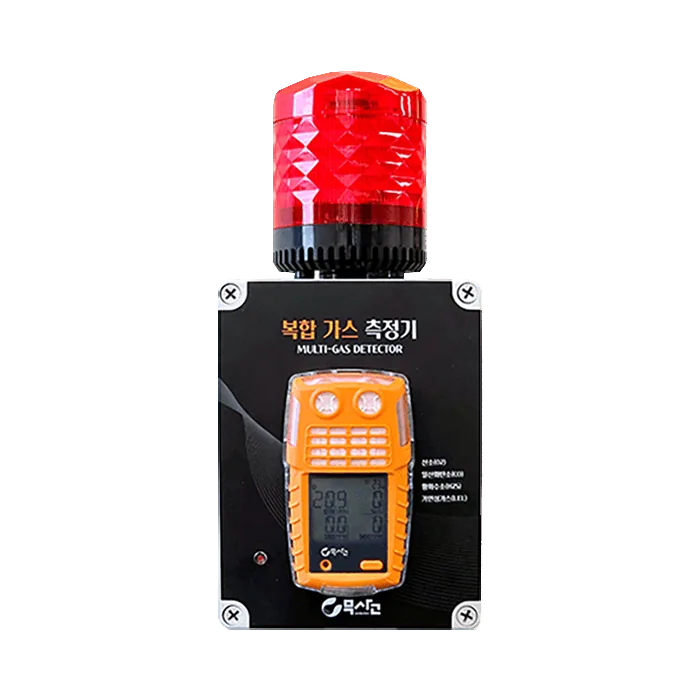
How it is used
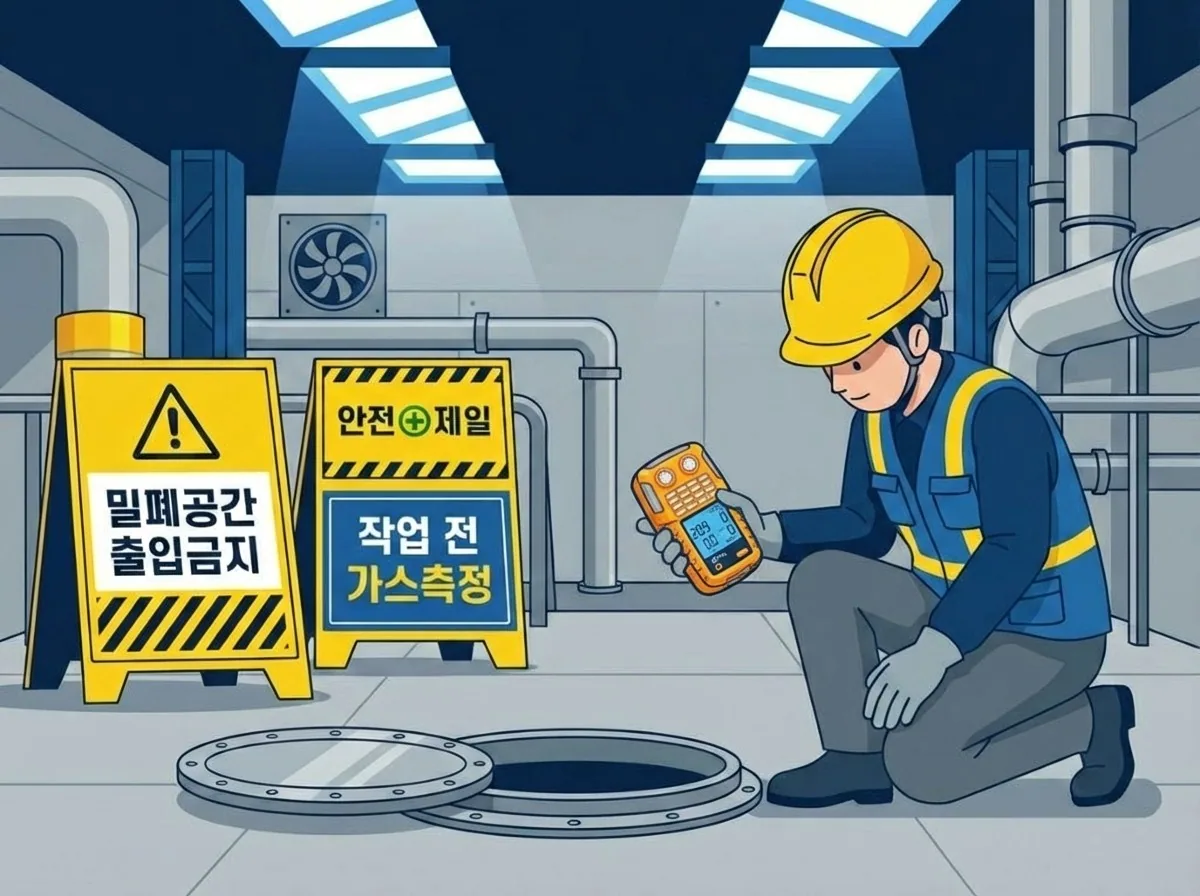
Safety check before entry
Monitors hazardous gas concentrations in real time before entering and while working in confined spaces, helping prevent asphyxiation accidents.
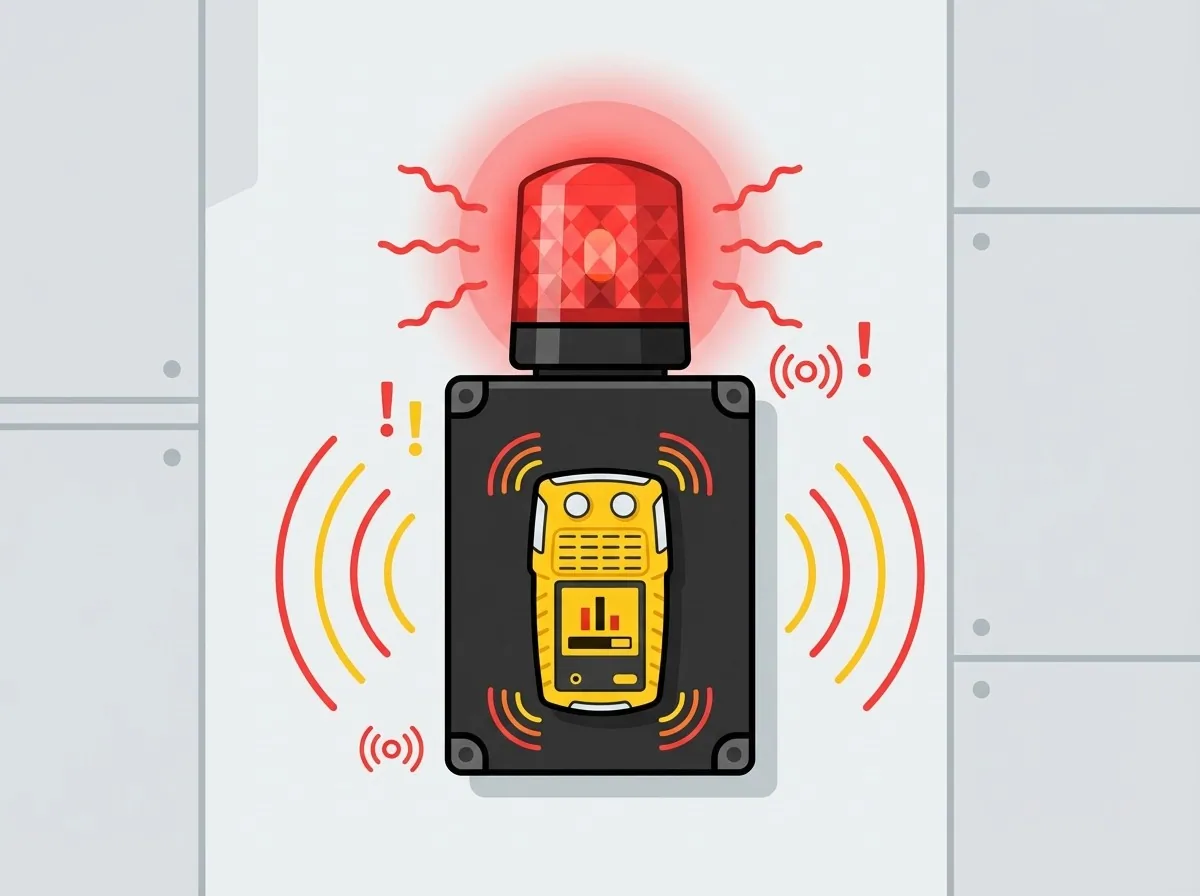
Securing the golden time for response
When a gas leak is detected, it sends out an immediate audiovisual alarm to guide every worker on site to evacuate safely.
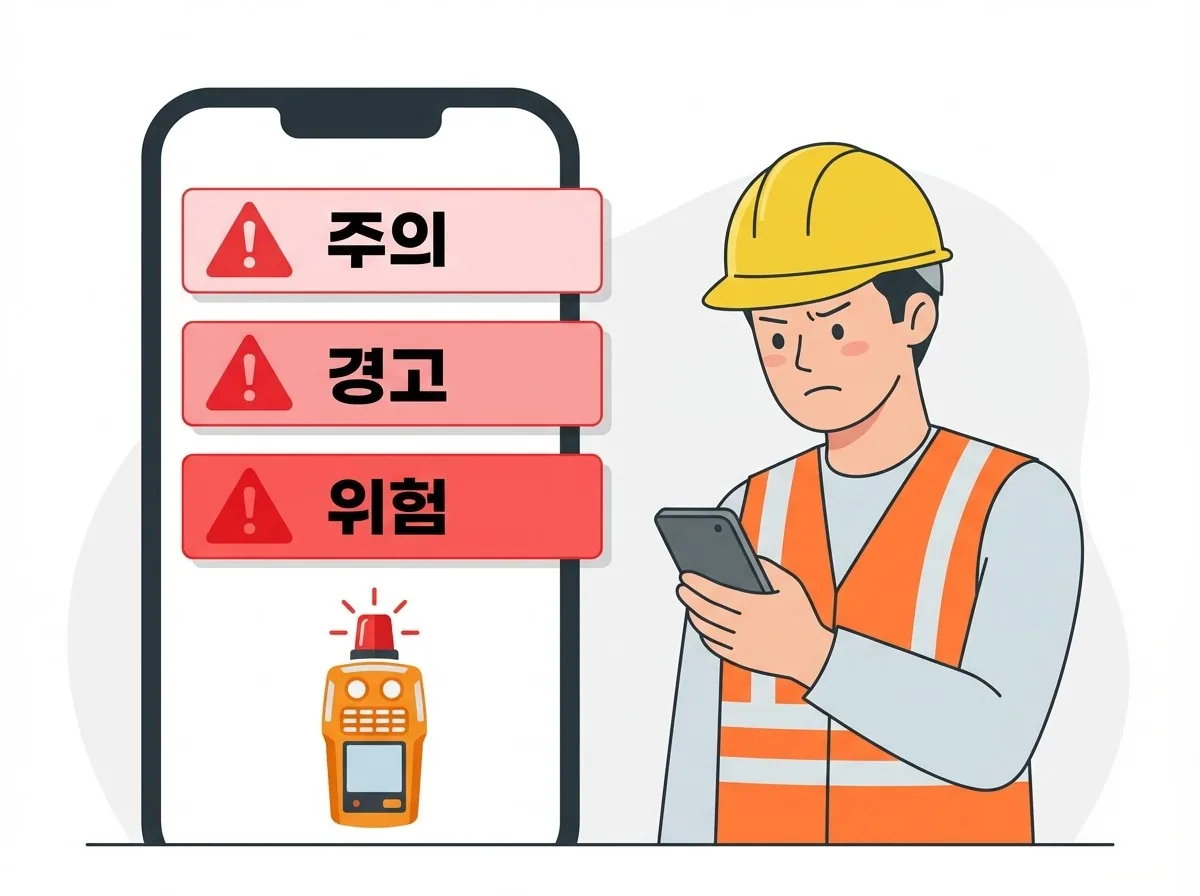
Danger notifications
When danger is detected, it sends a notification to the app immediately, so you can check the situation from anywhere and act quickly.
Four gases measured together
| Gas | Unit | Danger criteria |
|---|---|---|
| Oxygen (O₂) | %vol | Below 18% is oxygen deficiency, above 23.5% is oxygen enrichment |
| Methane (CH₄) | %LEL | 25%LEL or higher is an explosion risk |
| Carbon monoxide (CO) | ppm | 100ppm or higher |
| Hydrogen sulfide (H₂S) | ppm | 20ppm or higher |
Too much oxygen is also dangerous
Of the four, only oxygen is dangerous at both ends. Too little causes asphyxiation, and too much lets even a small spark grow into a large fire.
Status display
Each gas shows one of three statuses.
- Normal
- Level 1 Danger
- Level 2 Danger
The highest level among the gases becomes the device's overall status. Even if oxygen is normal, if hydrogen sulfide is at Level 2, the device is at Level 2 Danger.
Screen
It uses the common screen layout.
Dashboard summary
All Devices / Danger / Normal / No Data
Each device card shows a status badge for each gas, so you can see at once which gas is the problem.
Device details chart
All four are drawn on one graph. Because the units differ, there are three axes (oxygen %vol, methane %LEL, concentration ppm).
The danger threshold for each gas is drawn alongside as dotted and solid lines. You can see how close the current value is to the threshold. If a value is running close to the line, you can prepare even before it becomes dangerous.
When danger is detected
Evacuate immediately
Gas hazards in confined spaces can kill within minutes. Evacuate first, check second.
Check which gas it is
The notification card in the bottom right of the screen shows the device name, time of occurrence, and the list of dangerous gases. The response depends on the gas.
Ventilate and measure again
Resume work only after confirming that the values have returned to normal and stay there.
Before working in a confined space
- Is the device's last received time current? (If it has stopped, the device is not measuring anything right now.)
- Is the battery sufficient?
- Are notification recipients registered?
- Is the device actually placed at the work location? (Is its location on the map correct?)
With other solutions
When used with Network Speaker, an evacuation announcement plays automatically from the speakers in that area the moment gas danger is detected. It is the fastest way to reach people inside a confined space. It must sound at night too, so set the rule's severity to Emergency.
Detail images
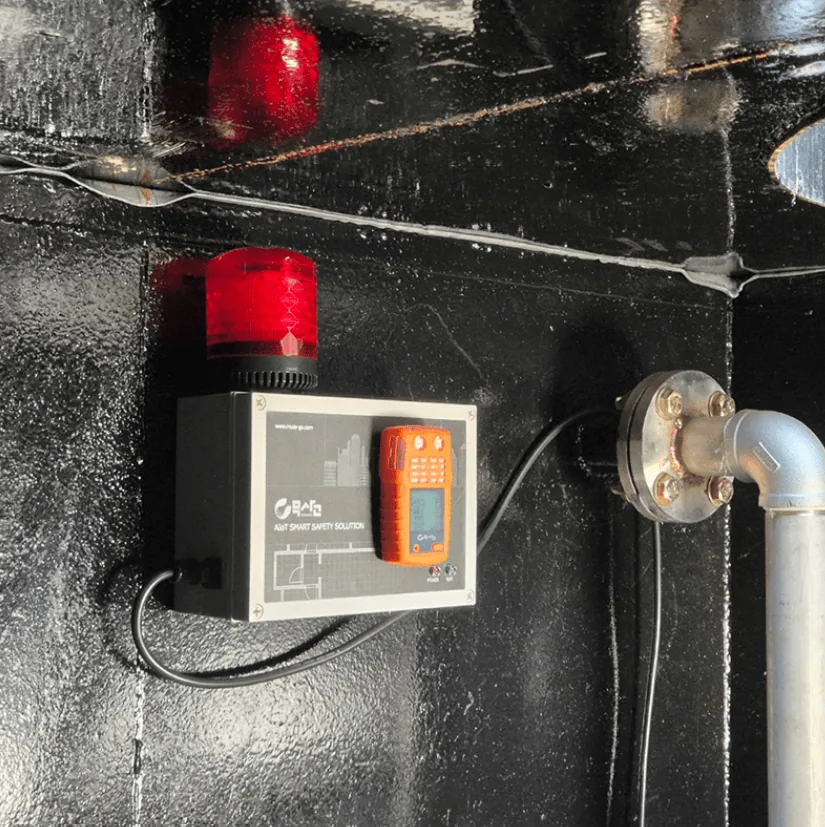
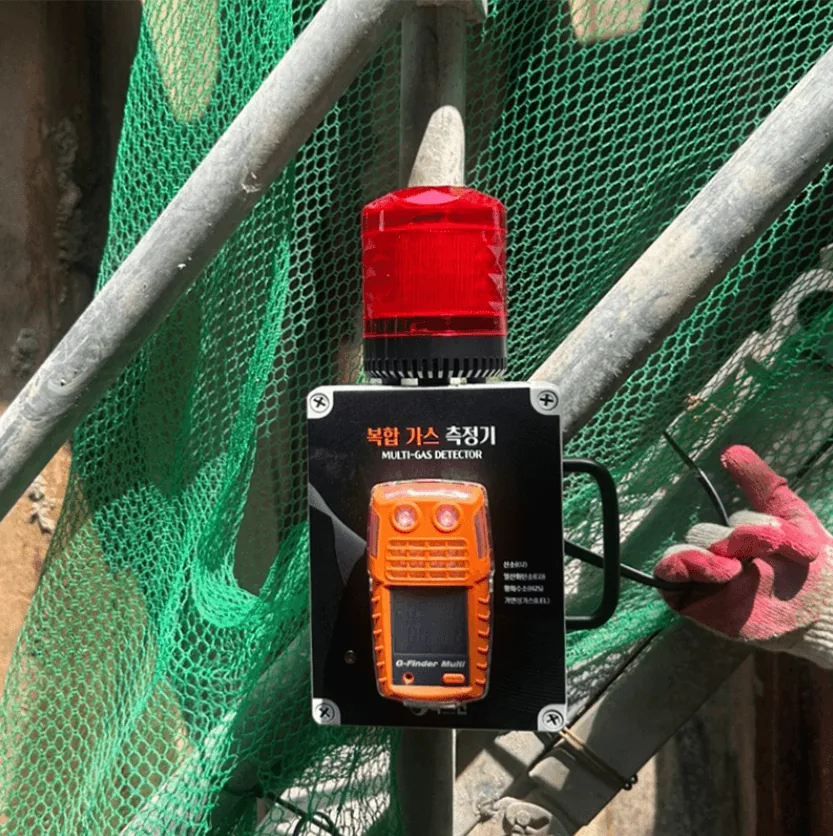
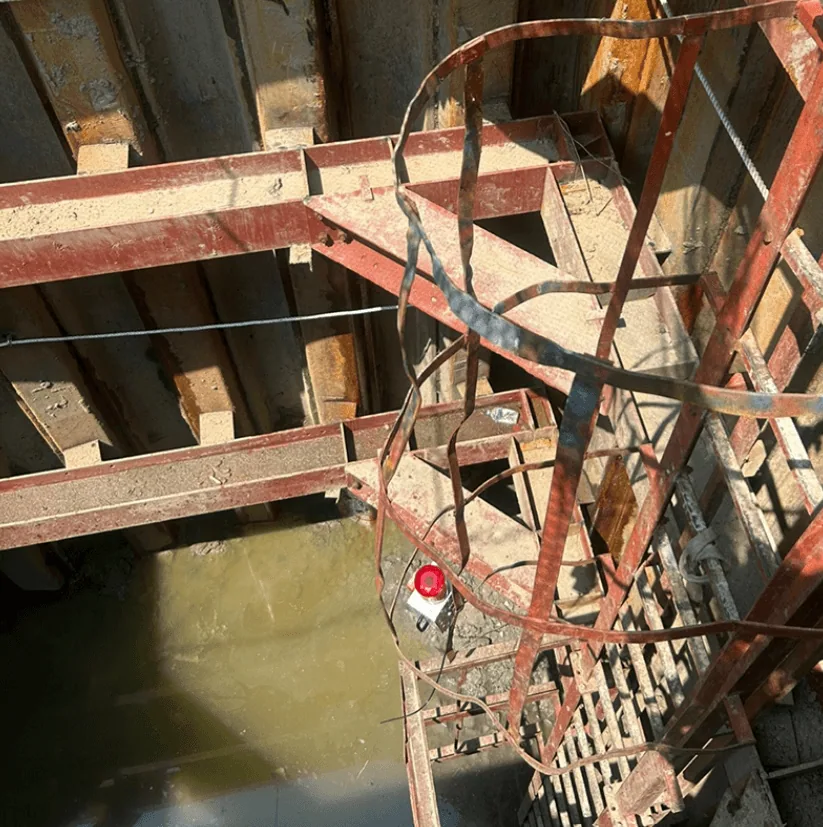
Specifications
| Size | 150(W) * 270(D) * 150(H) mm (including mounting bracket) |
|---|---|
| Weight | 1Kg |
| Wireless | BLE5.0 + LTE Cat.M1 |
| Built-in sensors | 4 hazardous gases: oxygen (O₂), carbon monoxide (CO), hydrogen sulfide (H₂S), combustible gas (LEL) |
| I/O | 1-Push Button (power), siren/warning light (voice alert for gas leak danger), LCD Display (shows gas readings) |
| Power | Standard lithium battery (runs for 6 months or more), can be changed to external power supply |
Construction Thermometer
Measures temperature and humidity in real time and calculates the apparent temperature automatically, helping prevent heat illness and keep the workplace safe.
Tilt Displacement Sensor
Three types of inclinometer sensors automatically detect tilt, impact, and vibration of structures and notify managers immediately. The palm-sized, lightweight design installs anywhere.